



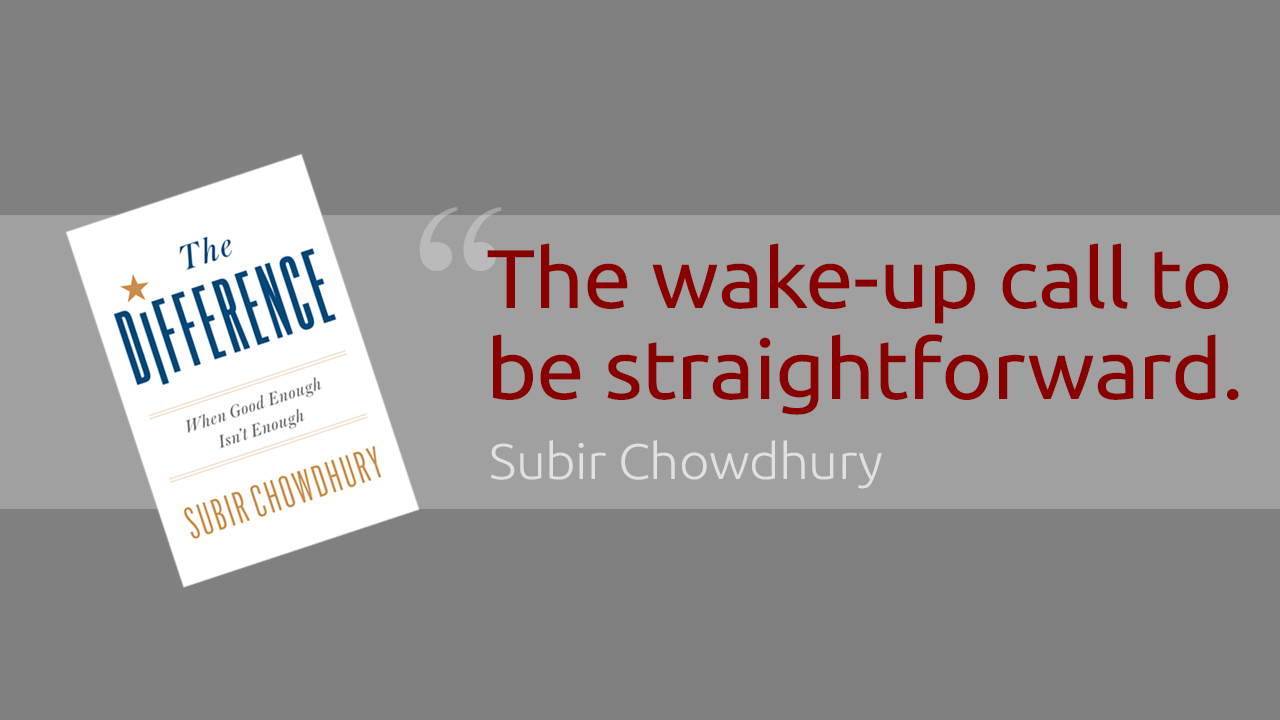
If you want to make a difference, and be the difference, you cannot be afraid of the truth. This is the only way that you can find your way to be straightforward and productive.
Quality & Me
Subir shares short stories about what people do to make a difference everywhere they go. We can make huge contributions to the way we function as a society by standing out as an example within our own community: at work, at our places of worship, among our colleagues, friends, and family. All it takes is the courage to step up and being straightforward, thoughtful, accountable, and resilient.
Books by Subir





A director I was consulting with always expected people to come to him.
This guy really believed that no news was good news. Like a lot of senior level executives, he expected people to come to him, not vice versa.
The problem was, no news wasn’t good news—it was the opposite. Problems weren’t getting resolved.
He asked me to help him figure out why the company wasn’t meeting its goals. Interestingly, he didn’t include his own team members in the discussion. Only me.
I told him he needed to spend more time on the floor–where the action was. Spend some time just listening to what is going on.
We joined a meeting already in progress. The discussion was heated; clearly people in the meeting weren’t happy.
When we walked in, everyone was shocked into silence—they hadn’t seen this director outside of his office in months.
After a few seconds, the director took my lead, and told everyone to pretend he wasn’t there, and to continue their meeting.
That’s when something really interesting happened.
Instead of ignoring the director’s presence, one engineer used it as an opportunity. He spoke up and out—in a refreshingly straightforward manner.
This engineer wasn’t concerned about what his response might mean to him personally—or professionally. It was unusual behavior in this company.
He told the director point blank that unless the organization invested in improving its products, two or three years down the road, the company would be dealing with recalls, or even lawsuits.
It took guts for this engineer to tell the director truth. It was, unfortunately, rare behavior in this organization.
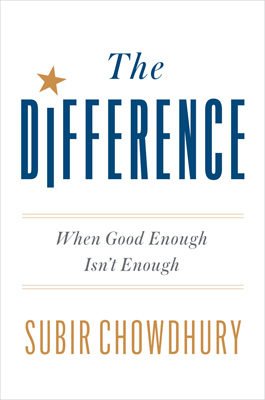
In this case, the director responded positively, even thanking the engineer for being so candid. I think it was the “wake-up call” he needed. In fact, he told everyone in the room that “good enough isn’t enough.” They still had a long way to go, but it was a good first step.
If you want to make a difference, and be the difference, you cannot be afraid of the truth.