




How to anticipate three event-driven triggers that can push your quality process off track.
Quality & Process
When ‘quality’ ceases to be just lip service from one employee to another – it becomes a process for continuous improvement toward perfection.
Books by Subir

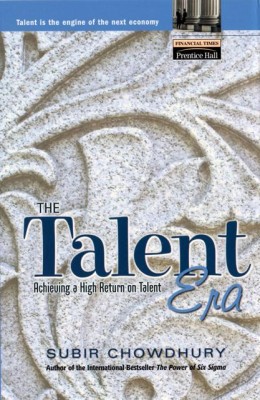
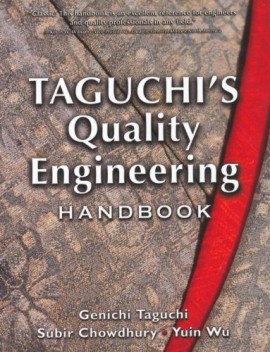
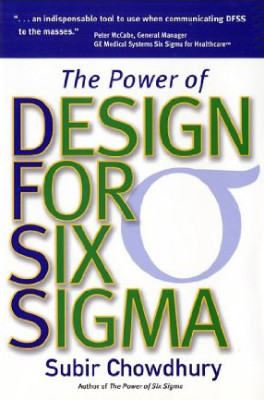
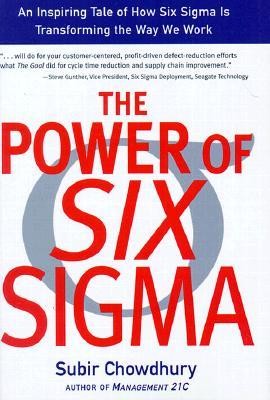
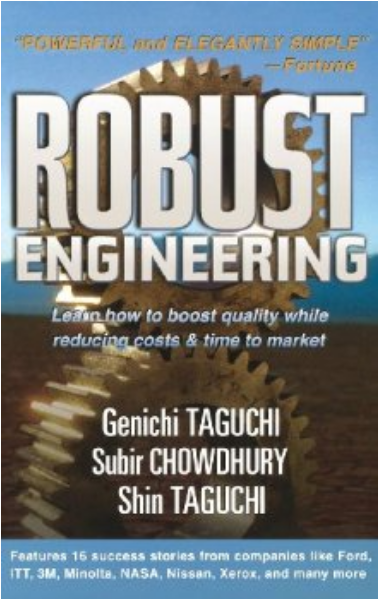
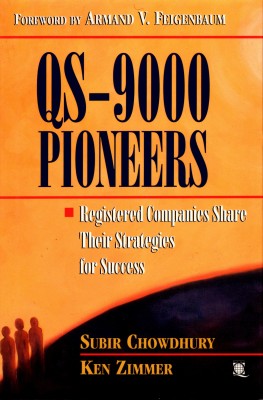
From the very beginning of my work, I kept a journal of challenges and crisis that were reported to me by my clients. I recorded problems, noted characteristics, and key patterns in each of them. My goal was to record how the different situations were related and how problems were eventually resolved.
Why did the product fail? What is causing delays. Why are customers turning way?
Initially, the journal resembled a catalog dissimilar events, but after about 20 years of work, I amassed enough information that clear patterns began to emerge. To my surprise, the patterns showed up quite readily as event-driven triggers – three of them to be precise.
It didn’t matter where the company was located, what sector they served, how large or small the organization was, nor how old. It also didn’t matter what kind of problem it was – revenue generation, human relations, manufacturing, research and development. The same patterns were evident among government agencies, small private businesses, or major multi-national corporations.
Fire, flow and future events are interrelated – think of them as points in a triangle.
That’s how my three triggers came to be Fire, Flow, and Future.
FIRE
Fire describes a sudden problem that usually causes a specific crisis of some kind – like a malfunction or faulty product. Fires require either a near term and long-term resolution; sometimes both. The cause of a Fire may be obvious or it may be hidden or multiple causes. Most fires tend to be minor in scope, but sometimes they can be very large and extremely complex. But just like any fire, bad assumptions can easily lead to a misdiagnosis and mistreatment.
FLOW
Flow refers to a disruption in the operations side of the organization that could be limited to a small portion of the overall process. There are two kinds of flow – administrative and delivery (production of product or delivery of service). Flow events are often characterized by an unexpected result somewhere else in the process. They could be a reaction to unexpected external or internal changes. It is likely the problem existed long before you became aware of it.
FUTURE
Future identifies the timely development (or redevelopment) of new products or services; a vital activity that influences the company’s marketability and profitability over time. It requires built-in flexibility within the organization; the requisite motivation to invest time, money and intellectual capital to constantly move products and services to meet customer demand. As it turns out, future is also the motive and opportunity to build greater quality into the innovation process – so in that regard it is usually self-starting or self-generating.
No organization is without an occasional fire or two. No company exists that hasn’t experienced an interruptions in flow, or faced an imperfect future. And while total perfection is always a goal rather than reality, we must be vigilant about these events and react swiftly and decisively as though perfection were within our grasp.
Fire, flow and future events are interrelated – think of them as points in a triangle. For instance, you could see a fire that is actually symptomatic of a problem within the flow, or one that reveals a badly needed cycle of redevelopment for your future. You may even discover a fire (or a multiple smoldering ones) that you didn’t know about as you to peel back a problem in the flow.
I advise all my clients to keep a ready journal as I have – one for each type of event – and watch for unique patterns in circumstances and triggers. A resource like that that will be invaluable, especially for detecting long-term and deep-seated problems.
Above all, keep your mind open to the evidence, and your power of reason will help you deduce the correct solution.